
Jul 17, 2026
What is the best packaging bag for clothes wholesale
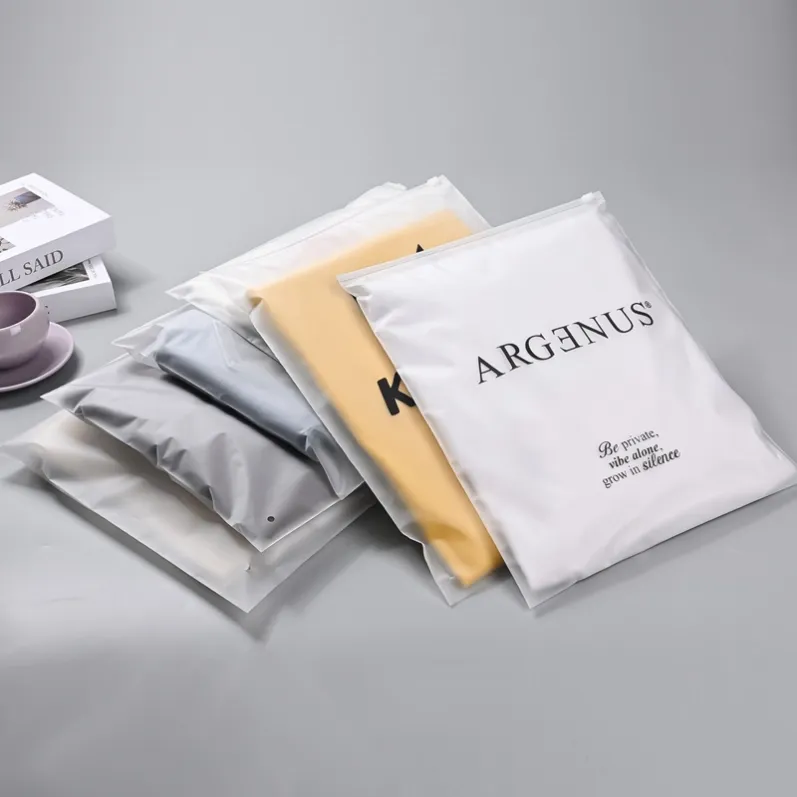
The best packaging bags for shipping clothes are usually poly mailers for the outside shipping layer and clear poly bags for the inside garment layer
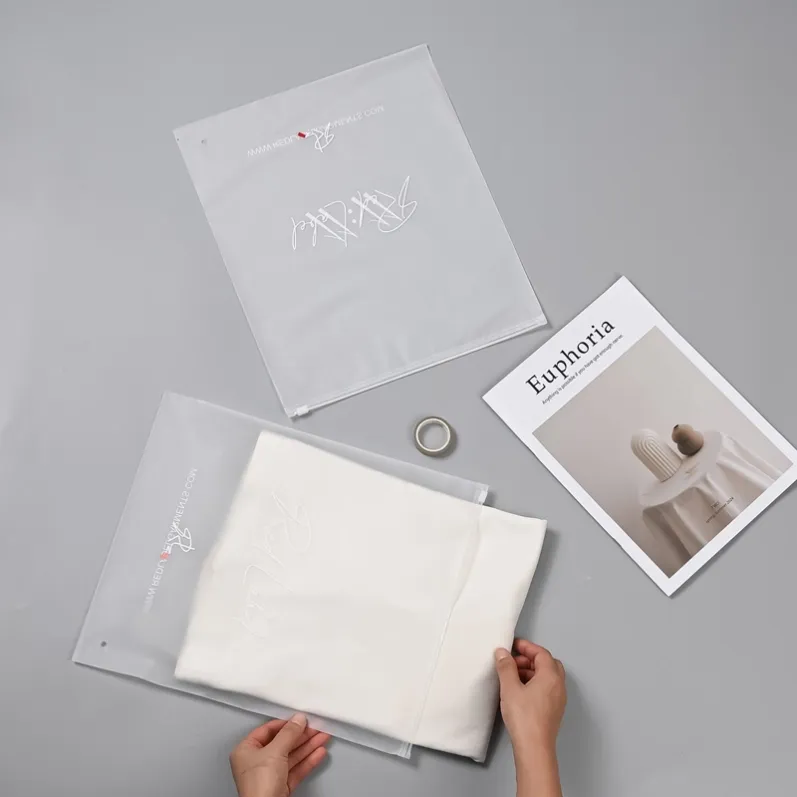
The Complete Guide to Custom Poly Mailers & Zip Bags for Apparel Packaging
Whether you're a clothing wholesaler shipping bulk orders or an e-commerce brand fulfilling individual DTC orders, packaging is often overlooked—yet it directly impacts shipping costs, unboxing experience, and brand perception. Here's what you need to know when choosing custom poly mailers and zip-lock bags for apparel.
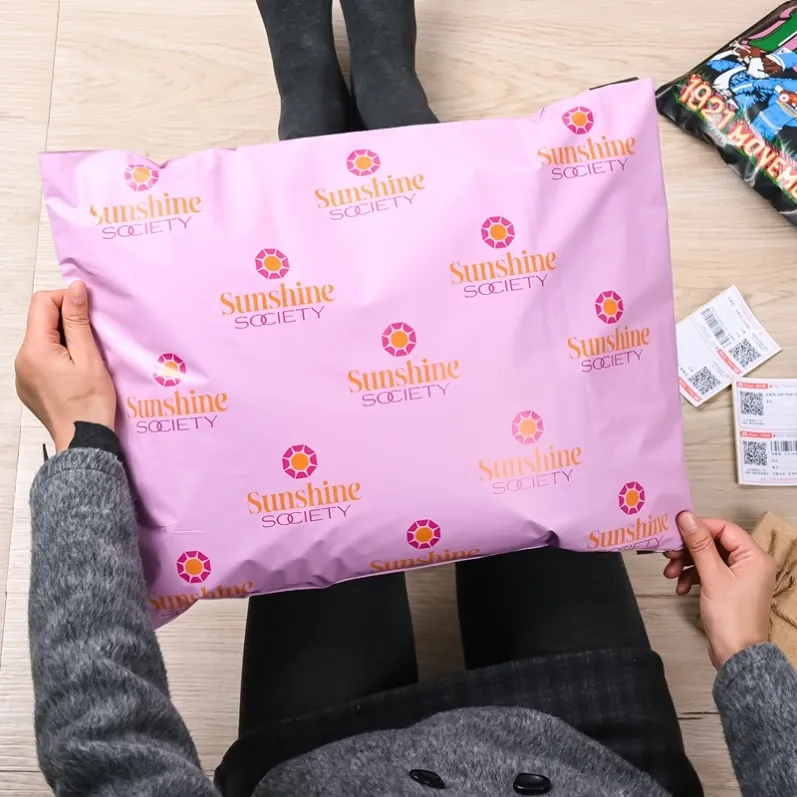
Why Custom Poly Mailers?
Compared to cardboard boxes, poly mailers offer three key advantages:
- Lightweight: The bag itself adds negligible weight, which matters significantly for carriers that bill by weight—helping reduce shipping costs at scale.
- Waterproof: The seamless polyethylene construction is naturally moisture-resistant, protecting garments from rain and spills during transit without any additional lining.
- Tear-resistant: Shipping-grade mailers typically use thicker co-extruded film, offering much stronger puncture and tear resistance than standard poly bags—critical for withstanding sorting facilities and handling along the supply chain.
For wholesalers, this translates to lower damage-related return rates. For e-commerce sellers, it means a more polished first impression the moment a customer opens the package.
Choosing the Right Size by Product Type
The most common packaging mistake is sizing—too large wastes space (and money on shipping), too small risks tearing at the seams. Here's a practical size reference:
Small – 19×27+4cm (7.5×10.5") Fits 3–4 pairs of socks (avoid folding them inside out, as this stretches the elastic), 2–3 rolled shirts, or 1 baseball cap/winter hat (flatten to prevent creasing). Also suitable for small boxed items like jewelry and Christmas ornaments.
Regular – 25×33+4cm (10×13") Holds 1–3 folded shirts (3–4 if rolled), 1 pair of pants or shorts, and 2–3 stacked baseball caps or winter accessories. Also works well for handmade goods like scarves and hats, plus medium boxed items such as candy or well-packed art supplies.
Middle – 30×38+4cm (12×15") Accommodates 2–4 folded shirts (4–5 if rolled), 1 pair of pants or shorts, 1 sweater, 1 piece of knitwear, and even a pair of high heels.
Large – 37×48+4cm (14.5×19") Built for bulkier orders: 1–2 rolled hoodies, 5–6 folded shirts (6–8 if rolled), 2–3 pairs of pants or shorts, plus handmade sweaters or cardigans. Also fits shoes and pre-packed mounted photos or artwork.
Pro tip: Folding saves interior space but can leave crease marks; rolling reduces wrinkling but takes up more room. Choose based on the fabric and how forgiving it is.
Zip-Lock Mailers vs. Standard Self-Seal Bags
Zip-lock mailers offer a distinct advantage for reusability—customers can simply reseal the bag when sending a return, eliminating the need for extra tape and streamlining the return process. This is especially valuable for apparel categories with higher-than-average return rates.
Material Selection: Recyclable vs. Compostable
Sustainable packaging is no longer optional for many brands. Two main material paths exist:
- Recyclable materials: Usually made from recycled LDPE, these offer a controlled cost point and can be processed through most municipal soft plastic recycling programs. A solid choice for brands balancing sustainability with budget.
- Compostable materials: Made from bio-based materials like PLA or PBAT, these fully break down under industrial composting conditions. Ideal for premium brands positioning around "zero plastic residue," though they typically come at a higher cost—and it's worth confirming whether your region has access to industrial composting facilities.
If budget is a constraint, starting with recyclable mailers and upgrading to compostable options based on customer feedback is a practical path—both can be custom-printed without compromising your brand's visual identity.
Final Thoughts
Choosing the right poly mailer size and material comes down to balancing cost, protection, and brand image. Wholesalers benefit from standardizing on a few fixed sizes per SKU category to streamline bulk purchasing, while e-commerce sellers can start with small-to-medium sizes and scale up specs as their best-selling categories emerge.
Still unsure which size or material fits your product line? Let us know your product category, and we'll help you calculate the best packaging solution.